How the United States Is Governed
An interactive guide to America's three branches of government and the electoral system
Three Branches of Government
Separation of powers ensures no single branch dominates · tap to flip
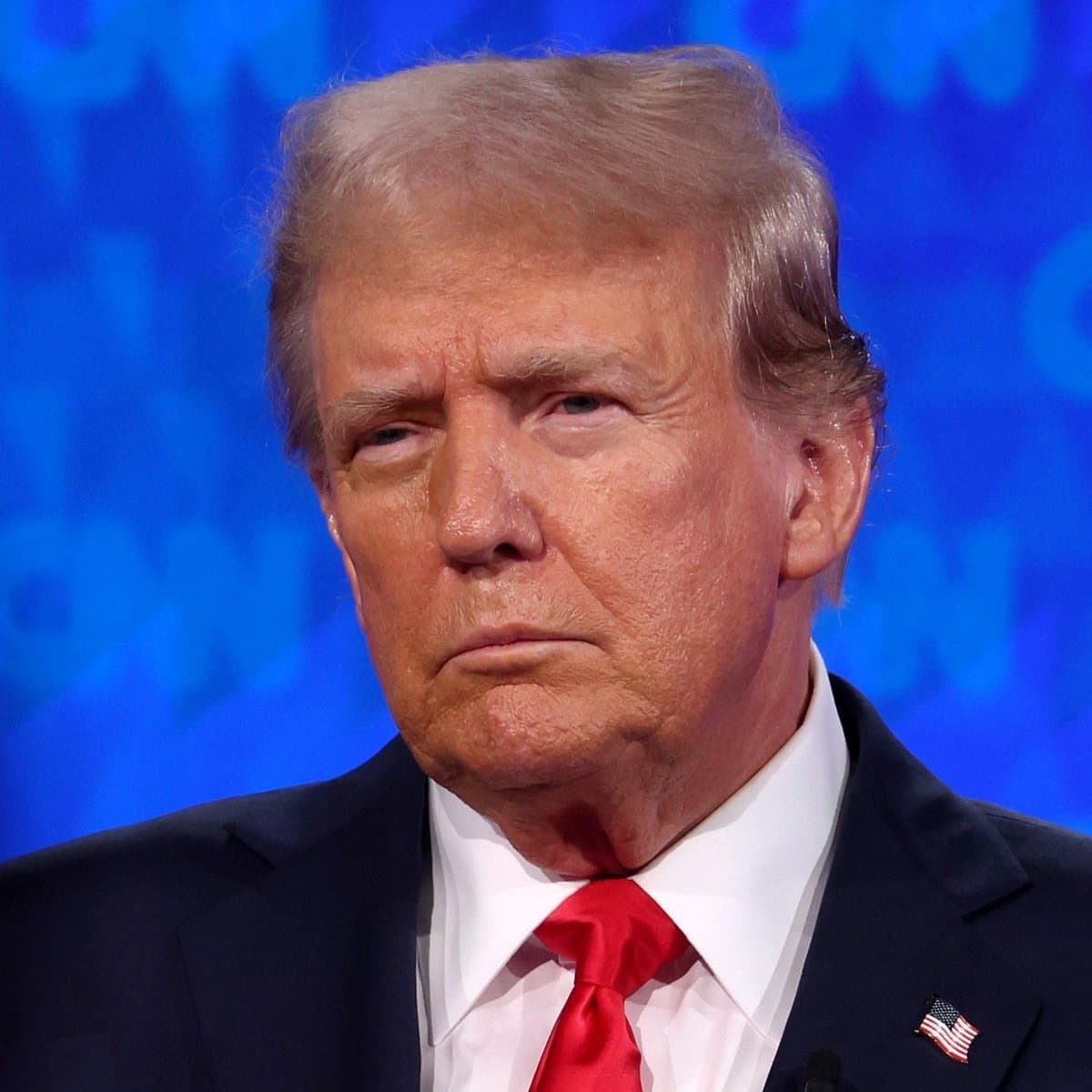
The Executive Branch
President, Vice President & Cabinet

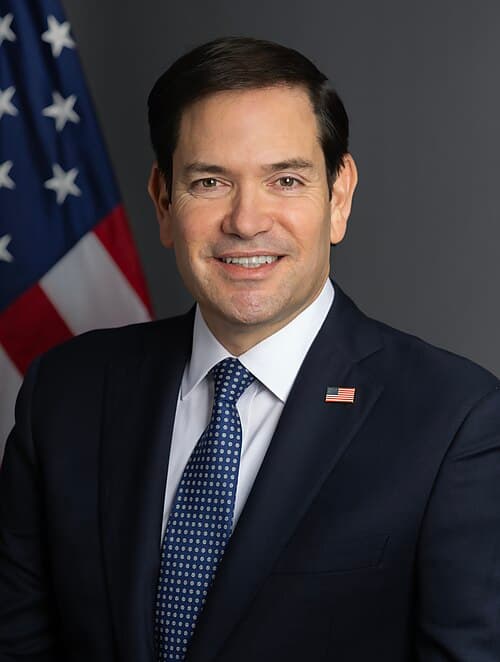
Cabinet Secretaries (24)


Congress
The Legislative Branch — two chambers
Senate
100 seatsEach state elects 2 senators for 6-year terms. The Senate confirms presidential appointments, ratifies treaties, and holds impeachment trials.
House of Representatives
435 seatsElected every 2 years from 435 congressional districts. The House initiates revenue bills, impeaches officials, and elects the President if no candidate wins the Electoral College.
The Supreme Court
Nine justices appointed for life — the final arbiter of the Constitution

Clarence Thomas
Appointed by G.H.W. Bush (1991)
The longest-serving current justice. A staunch originalist and textualist, Thomas is known for his willingness to overturn precedent and his concurring opinions that push conservative legal theory.

John Roberts
Chief JusticeAppointed by G.W. Bush (2005)
Chief Justice since 2005. Known as an institutionalist who occasionally sides with liberal justices to preserve the Court's legitimacy. Previously served on the D.C. Circuit Court of Appeals.

Samuel Alito
Appointed by G.W. Bush (2006)
Known for authoring the Dobbs decision overturning Roe v. Wade. A reliable conservative voice, Alito previously served on the Third Circuit Court of Appeals for 15 years.

Neil Gorsuch
Appointed by Trump (2017)
Nominated to fill Antonin Scalia's seat. A textualist and originalist, Gorsuch has also shown an independent streak, particularly on Native American rights and criminal law.

Brett Kavanaugh
Appointed by Trump (2018)
Former D.C. Circuit judge and staff secretary to President George W. Bush. His confirmation hearings were among the most contentious in modern history.

Amy Coney Barrett
Appointed by Trump (2020)
Former Notre Dame law professor and Seventh Circuit judge. An originalist and textualist, she was confirmed just days before the 2020 election to replace Ruth Bader Ginsburg.

Sonia Sotomayor
Appointed by Obama (2009)
The first Hispanic and third woman to serve on the Supreme Court. Known for passionate dissents and her focus on criminal justice and civil rights.

Elena Kagan
Appointed by Obama (2010)
Former Solicitor General and Harvard Law School Dean. Known for clear, accessible writing and pragmatic approach. Had no prior judicial experience before appointment.

Ketanji Brown Jackson
Appointed by Biden (2022)
The first Black woman on the Supreme Court. A former federal public defender and U.S. Sentencing Commission member, bringing criminal defense perspective to the bench.
State Representation
House seats by state (top 15 by population)
How Voting Works
Americans don't directly elect the President — the Electoral College does
Primary elections choose party nominees
Each party holds primary elections or caucuses in every state. Voters pick delegates who support their preferred candidate at the national convention.
Did you know? Iowa has held the first caucus since 1972, giving a small state outsized influence on who becomes president
Candidates campaign nationwide
The nominated candidates from each party campaign across the country, with special focus on 'swing states' that could vote either way.
Did you know? In 2020, over $14 billion was spent on federal elections — more than the GDP of some countries
Citizens vote on Election Day
On the first Tuesday after the first Monday in November, citizens vote. But they're actually voting for electors in the Electoral College, not directly for President.
Did you know? Only 5 presidents have won the presidency while losing the popular vote, most recently in 2016
Electoral College decides the winner
Each state gets electors equal to its Congressional delegation (Senators + Representatives). A candidate needs 270 of 538 electoral votes to win the presidency.
Did you know? Electors are not constitutionally bound to vote for their state's winner — 'faithless electors' have voted differently 165 times in history