How Canada Is Governed
An interactive guide to the structure of Canada's federal government
The Crown
Constitutional Head of State
Mary Simon
Governor General of Canada · since 2021
Mary Simon is the 30th Governor General of Canada and the first Indigenous person to hold the position. As the King's representative, she performs constitutional duties including granting Royal Assent to legislation and dissolving Parliament for elections.
Parliament
Two legislative chambers
Senate
105 seatsSenators are appointed by the Governor General on the advice of the Prime Minister. They serve until age 75.
House of Commons
1000 seatsThe Government
Prime Minister & Cabinet
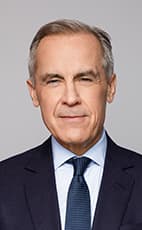
Cabinet Ministers (23)
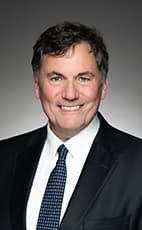

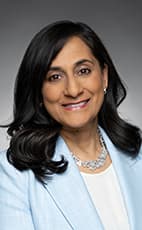
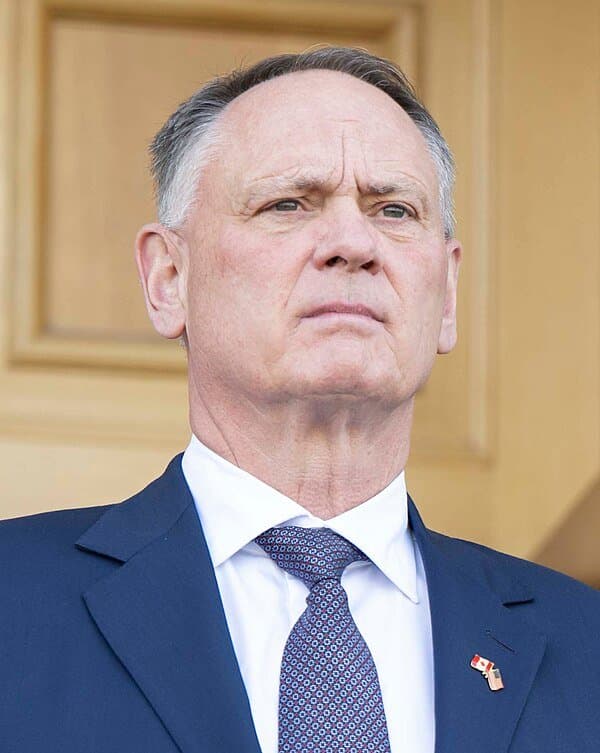

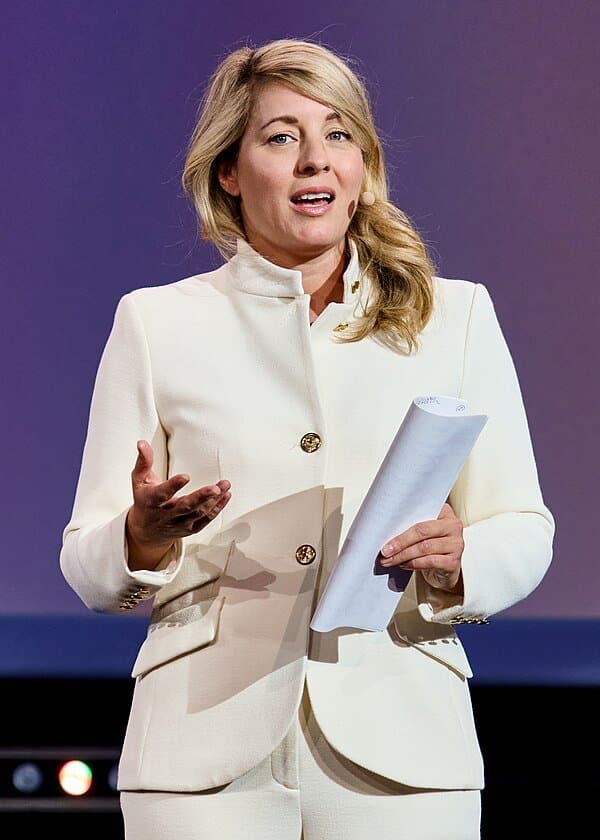

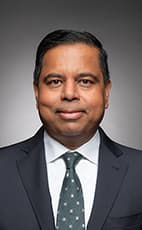

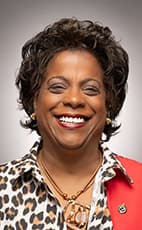

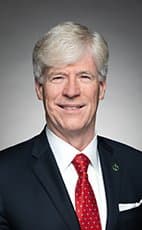
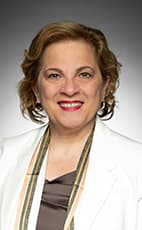

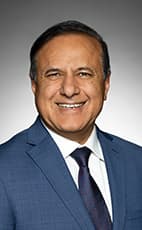
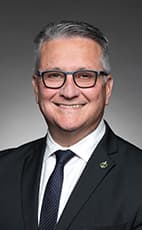


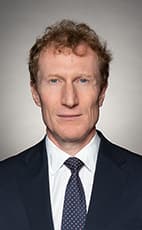




Secretaries of State (7)
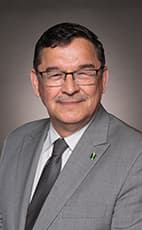





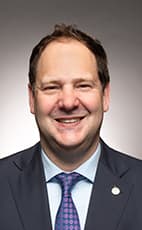
The Opposition
Opposition parties in Parliament












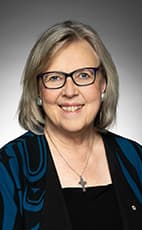
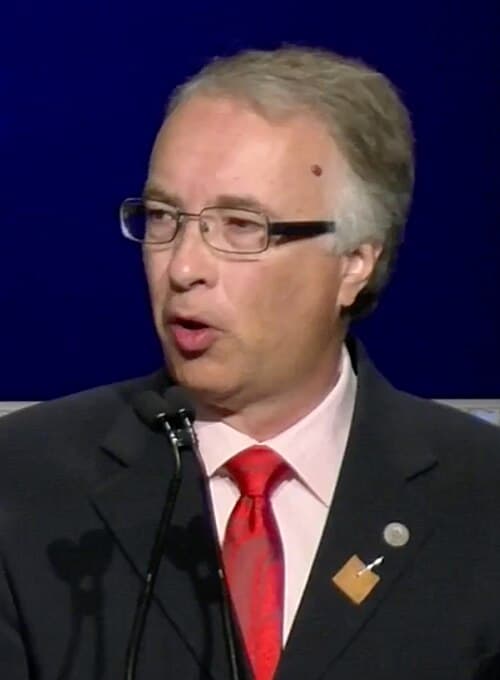



Ridings at a Glance
Seats by province and territory
How Voting Works
Canadians don't vote directly for the Prime Minister
You vote for your local MP
Canada has 343 ridings (electoral districts). On election day, you vote for a candidate in your riding — not directly for the Prime Minister.
Did you know? Canada's largest riding, Nunavut, covers over 2 million km² — bigger than Mexico. The smallest, Papineau, is just 9 km².
The party with most seats forms government
The party that wins the most seats (170+ for a majority) forms the government. If no party reaches 170, the largest party may form a minority government.
Did you know? Canada has had 13 minority governments since Confederation — the most recent was 2021-2025 under Justin Trudeau.
Their leader becomes Prime Minister
The leader of the governing party is appointed Prime Minister by the Governor General. The PM then selects Cabinet ministers from elected MPs.
Did you know? Canada's longest-serving PM was William Lyon Mackenzie King with 21 years in office. He famously consulted his dead dog's spirit for policy advice.